Tocino
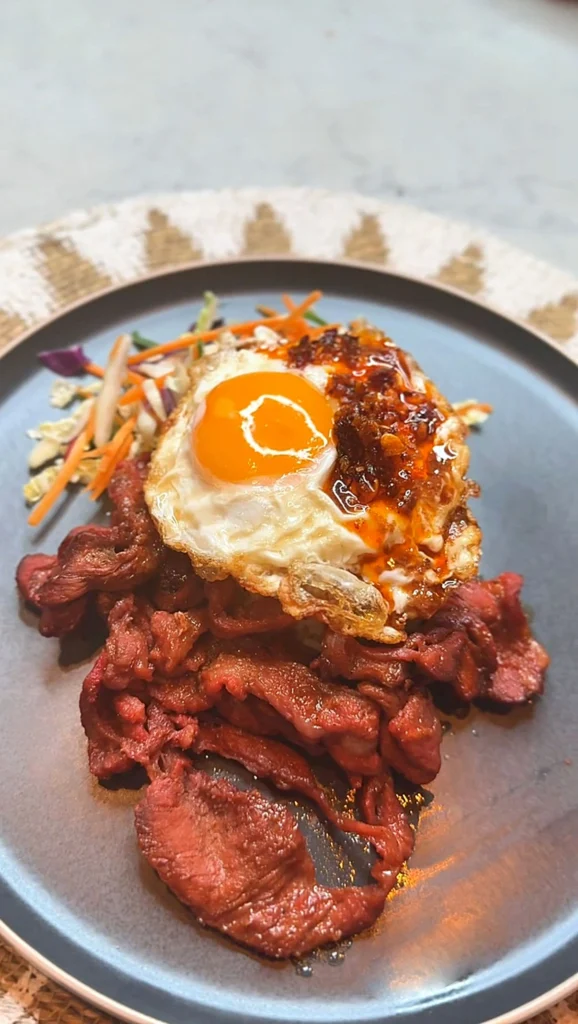
A sweet, savoury, glossy Filipino classic
Tocino is one of those dishes that instantly transports me back to childhood. It’s a Filipino staple, traditionally served for breakfast as part of silog meals — think sweet cured pork, garlicky fried rice, and a runny fried egg. The holy trinity.
Its roots come from Pampanga, the culinary heart of the Philippines, where pork was preserved using salt, sugar, and fermenting agents. Over time, families adapted the curing method, adding pineapple juice for tenderness and that signature tang, and annatto for its iconic blush-red colour.
For many Filipino households, Tocino isn’t just food — it’s nostalgia on a plate. The smell alone feels like a weekend morning: sizzling pork, caramelising sugar, everyone slowly waking up to that sweet–savory aroma. And while it’s meant to be a breakfast dish, let’s be honest… Tocino hits just as perfectly for lunch, dinner, or even a midnight snack. It’s moreish, sticky, glossy, tender — the kind of dish you can’t help but keep picking at.
Ingredients:
- 600g pork belly, thinly sliced
- ½ cup brown sugar
- 2 tbsp soy sauce
- 2 tbsp pineapple juice
- 2 tbsp cane vinegar (or white vinegar)
- 6 garlic cloves, minced
- 1 tsp salt
- ½ tsp cracked black pepper
- 1 drop red food colouring (optional — annatto/atsuete powder is more traditional if you have it)
Method :
1. Marinate the Pork
Place the sliced pork belly into a large bowl or container. Add all remaining ingredients and massage the marinade into the meat so every slice is coated.
Cover and refrigerate overnight, ideally 24–48 hours for the best flavour and texture.
(If you’re in a rush, 4 hours will still give you a delicious result — just not as deeply cured.)
2. Start Low and Slow
Transfer the marinated pork and all its juices into a cold pan.
Add enough water to just cover the pork pieces.
Bring to a gentle simmer over medium heat. This step helps render the fat and tenderise the pork before caramelising.
3. Evaporate & Render
Let it cook uncovered as the water slowly reduces.
You’ll notice the pork fat beginning to render — this is what gives Tocino that signature glossy, sticky finish.
4. Caramelise to Perfection
Once the water has fully evaporated, the pork will begin to fry in its own fat.
Flip the slices occasionally, allowing the sugar to caramelise and create those irresistible, lacquered edges.
Cook until the pork is sticky, shiny, and lightly charred in spots.
5. Serve
Enjoy immediately with:
- garlic fried rice (sinangag)
- a sunny-side-up egg
- sliced tomatoes or pickled papaya (atchara) if you want to be extra traditional
It’s the ultimate Filipino comfort breakfast — or lunch, or dinner. No rules here.